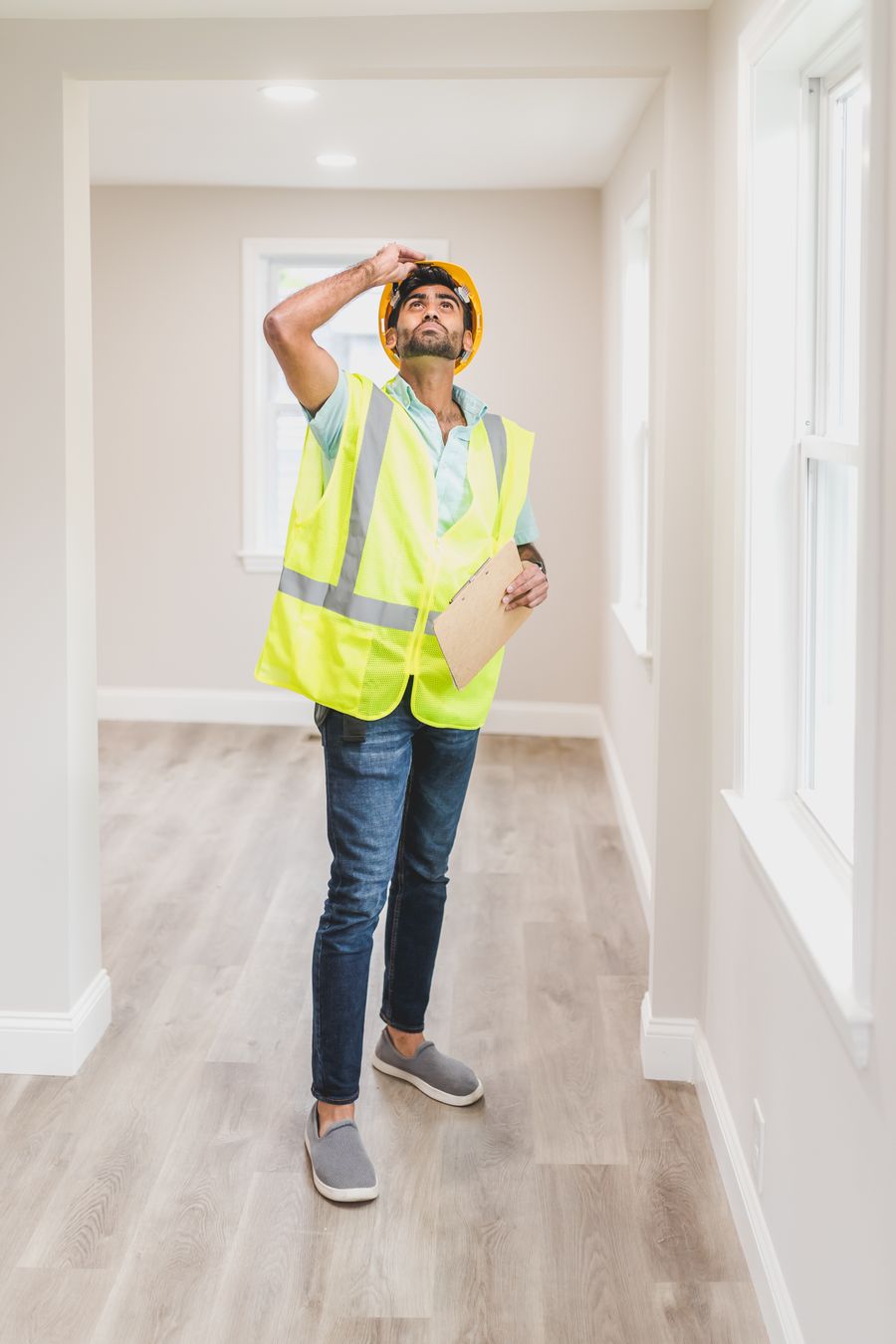
The rodent inspection is where every lasting result starts. Before any traps go down or any gaps get sealed, you need three answers: what rodent is it, where are they living, and how are they getting in. In Asheville that means checking the crawl space and foundation for Norway rats, the interior for house mice, and, on wooded or rural lots, watching for deer mice and white-footed mice. A local technician walks the property inside and out, then gives you a plan with upfront pricing and no obligation. Call 828-503-0038 to set it up.
Guessing is expensive. Setting a couple of mouse traps when you actually have Norway rats burrowing under the house, or sealing the wrong side of the foundation, wastes money and leaves the real problem running. The inspection replaces guessing with a map of exactly what is happening.
What an Asheville rodent inspection covers
A thorough inspection looks at the whole rodent picture, not just the room where you saw a dropping. On an Asheville home that means checking the parts the local conditions make vulnerable:
- The crawl space and foundation. Burrows, rub marks, nests, and torn vent screens on pier-and-beam and stone foundations, with the species confirmed by the signs.
- The attic and interior. Droppings, nesting, and chewed insulation, and the small gaps mice use to reach walls and cabinets.
- Utility and kitchen penetrations. Gaps around pipes, wiring, and vents under sinks and behind appliances.
- The exterior shell. Vents, doors, garage connections, and any vegetation, woodpiles, or sheds against the house.
- Wooded-lot signs. On rural mountain lots, evidence of deer mice or white-footed mice in sheds, cabins, and outbuildings, where cleanup safety matters.
Confirming the species
The signs tell the story. Foundation burrows and crawl-space rub marks point to Norway rats. Small rice-grain droppings near food point to house mice. Droppings in a cabin, shed, or outbuilding on a wooded lot may point to deer mice or white-footed mice, which can carry hantavirus, so the cleanup is handled with extra care. Getting the species right is what makes the rest of the plan work, because each rodent needs a different response in a different part of the home.
From inspection to plan
At the end of the inspection you get a clear read: the rodent, the severity, the entry points, and what it takes to remove them and seal the house, with pricing upfront. From there you decide. There is no obligation, and if the fix is small, you hear that honestly.
Most homeowners move straight into trapping and removal paired with exclusion and sealing, because together those two are what actually ends the problem. The inspection is what makes both of them accurate.
Why start with an inspection
An inspection turns a vague, worrying noise into a specific, solvable problem. It stops money going toward the wrong fix, and it catches the entry points a homeowner would never think to check, like a torn crawl-space vent or a settled gap along a stone foundation.
It is also the honest starting point. You get a real look at what is going on in your own home and a straight answer on what it takes to fix it, so you can make the call with full information and no pressure.
Asheville rodent inspection questions
What does the inspection cost?
You get pricing upfront when you call, and the inspection findings come with an itemized plan and no obligation to proceed. Call 828-503-0038 to set it up and hear the details for your property.
How long does it take?
A typical single-family home inspection runs under an hour, longer for larger properties, attics, and crawl spaces that need close checking. The technician walks you through what they found.
Do I need to be home?
It helps, because you can point out where you have heard or seen activity and get the findings explained in person. Access to the crawl space and attic is what matters most.
What if you do not find anything active?
Then you get that answer and any weak points worth sealing before the fall mouse push, with no pressure to buy work you do not need.