Home / Services / Apartment and rental rodent control
Rentals and multi-unit buildings · Asheville, NCApartment and Rental Rodent Control in Asheville
In a duplex, apartment building or rental house, mice in one unit usually means mice in the walls they share. The fix works building-wide, with records owners and tenants can both use.
Why rentals need a building-wide plan
Rodents do not respect unit lines. Mice and rats travel through shared walls, pipe chases, crawl spaces, basements and attics. If one tenant traps mice and the unit next door does nothing, the mice move back and forth. That is why a rental or multi-unit job starts with the whole building, including dumpster pads, storage rooms and laundry areas.
North Carolina law also puts duties on landlords. Under N.C. General Statutes 42-42, a landlord has to keep the premises fit and habitable and repair imminently dangerous conditions within a reasonable time after learning of them, and the list of those conditions includes a rat infestation caused by structural defects that make the building not impervious to rodents. Asheville's Minimum Housing Code puts the main responsibility for building conditions on owners and expects tenants to keep their units clean and report problems. Our tenant and landlord guide explains this in plain terms. It is general information, not legal advice.
What a thorough rental job includes
- Inspection of every unit that reports activity plus the units next to, above and below it when possible.
- Inspection of shared spaces: crawl space or basement, attic, laundry, storage, trash and recycling areas.
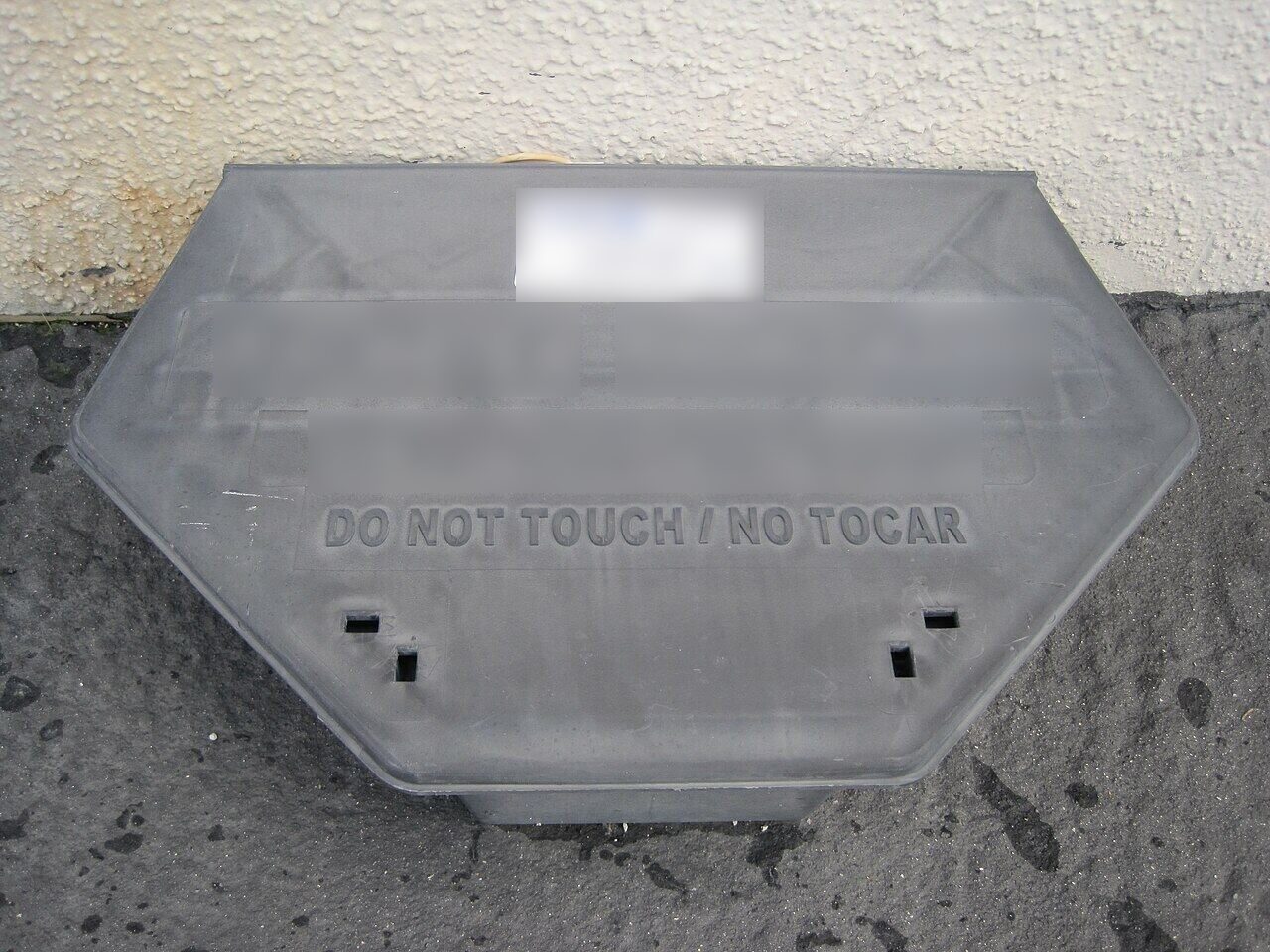
- Trapping inside units and in shared spaces, and tamper-resistant bait stations outside where appropriate.
- Building-wide sealing: foundation and vent gaps, pipe chases between units, gaps around utility lines and doors.
- Written service reports for each visit, listing what was found, where traps or stations went and what was sealed.
- Tenant notes on food storage, trash and reporting new activity.
- A follow-up schedule, and an option for ongoing monitoring for larger buildings.
Managing a rental with rodents?
Your call goes to an independent rodent control provider serving Asheville and Buncombe County. Describe what you are seeing and ask for the plan and the price in writing before any work starts.
(828) 503-0038Tap to call · Free to callStep by step
1. The owner or manager calls with the address, the number of units and where tenants report activity.
2. The technician schedules access to the reporting units and shared spaces. Owners usually handle tenant notice.
3. Inspection, trapping and sealing proceed through the building, starting where activity is heaviest.
4. Each visit produces a report the owner can keep on file.
5. Follow-up visits continue until activity stops, then shift to monitoring if the building needs it.
Why Asheville rentals have their own challenges
Asheville's rental stock is mixed. Older houses in Montford, West Asheville and North Asheville have been split into apartments, with shared crawl spaces and attics and plumbing that was rerouted several times. Mid-century apartment complexes sit in valleys like Haw Creek, and newer complexes line roads in South Asheville and along the edges of town. Each has different weak spots.
Turnover helps rodents. When a unit sits empty between tenants, mice can settle in. Furniture and boxes moving in and out leave doors propped open.
Trash areas matter. Dumpster enclosures and overflowing carts feed rats. Asheville's sanitation rules say trash left outside the cart will not be collected and overfilled carts cannot be emptied, so a building that outgrows its carts ends up with bags on the ground. See our guide to Asheville trash and yard rules for rodents.
What to ask before you book
Owners and managers should ask:
- Will the inspection include the units next to, above and below the active one, and the shared spaces?
- Who coordinates access and tenant notice?
- Will sealing cover the whole building shell and the pipe chases between units?
- What written reports will I get after each visit?
- Is there an ongoing monitoring option for larger buildings, and what does it cost per visit?
Tenants who call on their own should know that shared spaces are usually the owner's responsibility. Report the problem to your landlord in writing first.
Apartment and rental rodent control questions
Who pays for rodent control in a rental?
It depends on the cause and the lease. North Carolina's landlord statute names rat infestations caused by structural defects as an imminently dangerous condition the landlord must fix. Asheville's housing code puts most building responsibility on owners. This is general information, not legal advice.
How should a tenant report rodents?
Tell the landlord in writing and keep a copy. Asheville's Minimum Housing page advises written notice and a fair time for repairs. If nothing happens, the city's Housing Code staff can be reached at (828) 259-5764.
Do all units need treatment?
Not always, but the units next to, above and below the active one should at least be inspected. Shared walls and crawl spaces let rodents move between units.
Can I get reports for my records?
Ask for written service reports after every visit. They help with tenant communication and any housing code questions.
How do I prevent rodents between tenants?
Seal the building, keep trash areas clean and inspect vacant units before the next move-in.
What can tenants do to help?
Store food in sealed containers, keep trash closed and take it out often, report droppings or noises in writing right away and give the provider access when visits are scheduled.
Ready to have someone look at it?
A local rodent technician can often schedule a visit within a day or two, and same-day appointments are often available. Ask for the plan and the price in writing.
(828) 503-0038Tap to call · Free to call