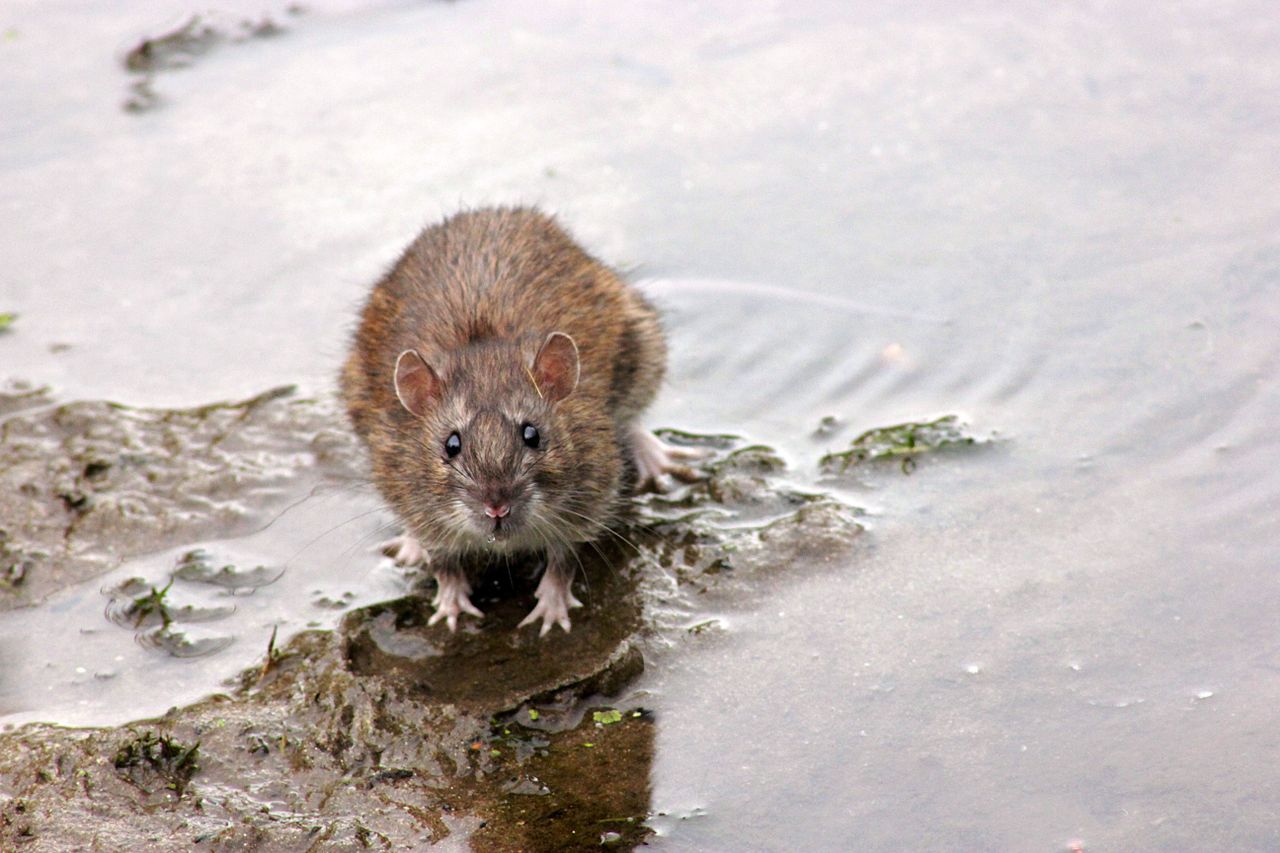
Why crawl spaces draw rodents
A crawl space is dark, sheltered and close to food and water. For Norway rats, which live low and dig, it is about as good as housing gets. Mice use crawl spaces as a highway into the walls and kitchen above. In Asheville, where so many older homes sit over crawl spaces on stone, brick or block foundations, this is one of the most common calls.
Rodents get in through torn vent screens, warped access doors, gaps at the sill plate, holes around pipes and ducts, and soft spots where the soil meets the foundation. Once inside, they follow pipes, ducts and wires up into the house through holes in the subfloor.
What a thorough crawl space job includes
- A full crawl of the space with a light, not a look from the hatch.
- Traps set along the sill plate, piers, ducts and pipe runs where droppings and rub marks show travel.
- Every vent rescreened with quarter-inch hardware cloth, which NC State Extension recommends.
- The access door repaired or replaced so it seals.
- Foundation and sill gaps closed with metal mesh and mortar or sealant.
- Pipe and duct holes through the subfloor sealed, so rodents under the house cannot reach the walls.
- Burrows along the outside of the foundation treated and closed.
- A note on moisture, standing water and torn vapor barrier, which make a crawl space more attractive.
- Cleanup of droppings and nests, quoted separately if it is heavy.
Something living under the house?
Your call goes to an independent rodent control provider serving Asheville and Buncombe County. Describe what you are seeing and ask for the plan and the price in writing before any work starts.
(828) 503-0038Tap to call · Free to callStep by step
1. Inspection inside the crawl space and around the outside of the foundation.
2. Traps placed on the runways. For rats, expect a few quiet days at first, since NC State Extension notes they avoid new objects.
3. Vents and the access door fixed first, since they are usually the biggest openings.
4. Gaps closed as catches slow down, ending with the active entry points.
5. Return visits until the traps stay empty.
6. Cleanup and vapor barrier work if needed. See attic and crawl space cleanup.
What makes Asheville crawl spaces tricky
Slope is the biggest factor. Houses on Asheville's hills often have a crawl space that is a foot or two high on one side and tall enough to stand in on the other. The low side is where the sill gaps hide, and it is the hardest place to work.
Stone and brick foundations from the early 1900s have mortar joints that crumble and get patched over the years. Rats dig at the base of those walls, and mice slip through the joints.
Water moves under hillside houses. Heavy rain sends runoff under the house, and crawl spaces on the downhill side can stay damp for days. When Hurricane Helene flooded low ground along the rivers and creeks in 2024, crawl spaces in those areas took on water and mud. Damp soil is easier for rats to burrow in, and wet insulation hanging from the floor makes nesting easy.
Finally, many crawl spaces connect to a basement, garage or enclosed porch, so the work has to cover all of them. Our article on crawl space rodents in Asheville has more background for homeowners.
What to ask before you book
Ask whether the technician will crawl the full space or only look from the hatch. Ask which vents and gaps will be sealed and with what. Ask whether holes from the crawl space up into the house are part of the job, and how vapor barrier and insulation repairs are priced. If the crawl space is wet, ask for notes on the water problem so you can fix drainage.
Crawl space rodent control questions
How can I tell if rodents are in my crawl space?
Noise under the floor at night, a musty smell through floor vents, droppings by the access door, burrows along the foundation and chewed insulation hanging down are the usual signs.
Should I close my crawl space vents?
Screen them with quarter-inch hardware cloth. Whether to close vents for moisture control is a separate question for a crawl space or building professional.
Do rodents in the crawl space get into the house?
Often. They follow pipes, ducts and wires through holes in the subfloor into kitchens, baths and walls. Sealing those holes is part of a good job.
Is a crawl space job more expensive than a regular one?
Often, yes. Angi notes that infestations in crawl spaces, under foundations and inside walls cost more to clear than those in attics and sheds. See our cost guide.
Can I go into the crawl space to look?
If you do, wear gloves, a mask and old clothes, and do not stir up droppings. Note what you see and leave cleanup to the plan.
Will encapsulation stop rodents?
Encapsulation addresses moisture. It does not seal the foundation gaps rodents use, and rodents can tear liners. Exclusion still needs to be done.
How often should I check my crawl space?
A look in early fall and again in spring catches torn vent screens, new burrows and fresh droppings before they turn into a bigger problem.
Ready to have someone look at it?
A local rodent technician can often schedule a visit within a day or two, and same-day appointments are often available. Ask for the plan and the price in writing.
(828) 503-0038Tap to call · Free to call