Why droppings need careful handling
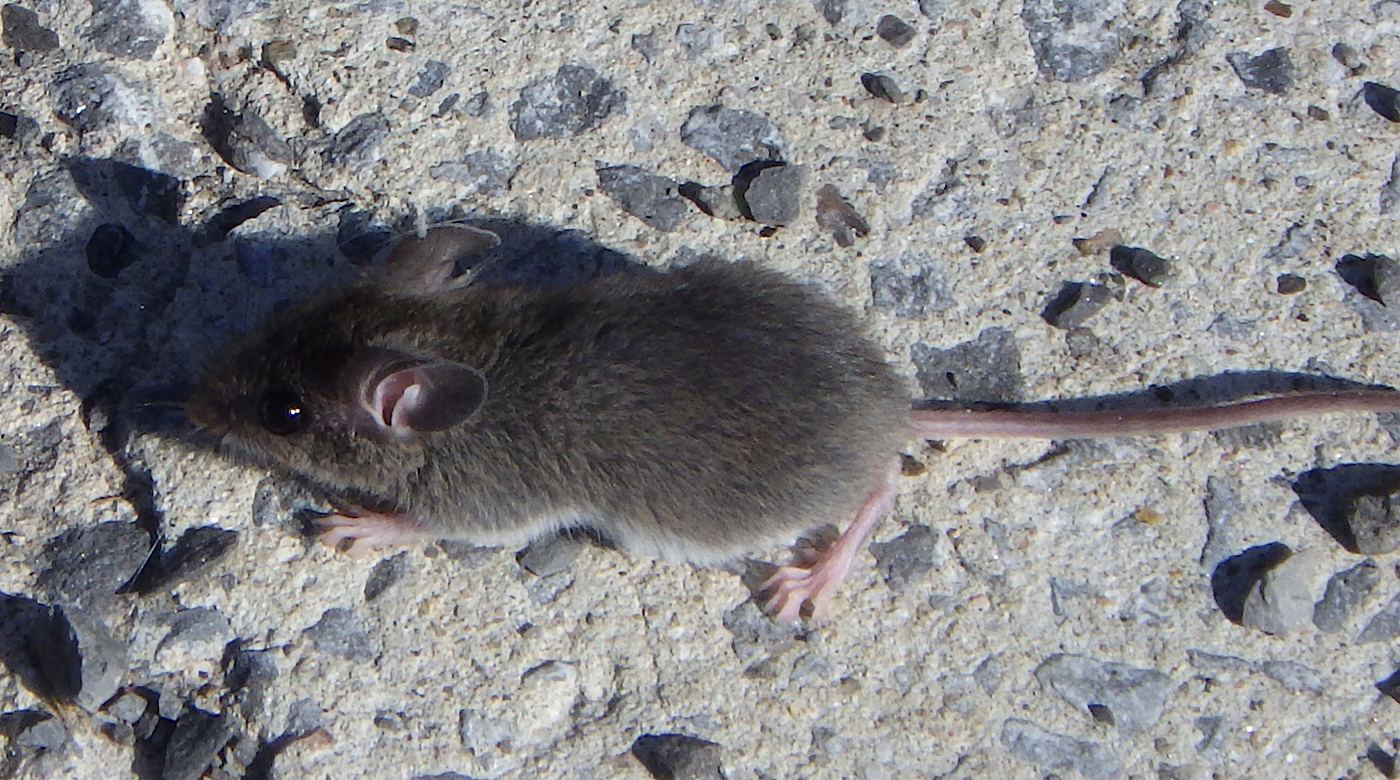
Rodent droppings, urine and nesting can carry germs. The CDC warns that when fresh urine, droppings or nesting from an infected rodent are stirred up, hantavirus can get into the air, and it names the deer mouse as the carrier of the most common hantavirus behind hantavirus pulmonary syndrome in the United States. Deer mice and white-footed mice live in the woods around Asheville and get into cabins, sheds and garages.
The CDC also notes that leptospirosis spreads through the urine of infected animals, including rats and mice, and that the bacteria can survive in water or soil for weeks to months.
So the rule is simple: wet it, wipe it, bag it. Do not sweep, vacuum or blow it.
The CDC cleanup steps
For a small amount of droppings, the CDC recommends:
- Open doors and windows for 30 minutes before you start, and leave the area during that time.
- Wear rubber or plastic gloves.
- Mix fresh disinfectant: one and a half cups of household bleach in one gallon of water, about one part bleach to nine parts water.
- Spray the droppings, urine or nest until soaked and let it sit for five minutes, or as long as the product label says.
- Wipe up with paper towels and throw them in a covered trash can that is emptied regularly.
- Disinfect the area again, then wash gloved hands before taking the gloves off, and wash your hands with soap and warm water.
Dead rodents and nests get sprayed, then sealed in a plastic bag inside a second bag.
Want it cleaned up safely?
Your call goes to an independent rodent control provider serving Asheville and Buncombe County. Describe what you are seeing and ask for the plan and the price in writing before any work starts.
(828) 503-0038Tap to call · Free to callWhen to call for help, and what a provider does
Call a provider when the droppings cover a large area, when there is nesting in insulation, when the space is an attic, crawl space or closed-up cabin, or when anyone in the home has a weak immune system or breathing problems.
A thorough cleanup job includes:
- Confirming the rodents are gone or are being trapped, so the space does not fill up again.
- Protective gear for the crew, including a respirator.
- Wetting and removing droppings and nests, and bagging soiled insulation or stored items.
- Disinfecting surfaces and the items you want to keep.
- A written list of what was removed and cleaned.
Step by step, the provider ventilates, soaks, removes, disinfects and then checks the space again on a later visit.
Why cleanup comes up so often around Asheville
Many homes here have spaces that sit closed for long stretches: a detached garage, a shed full of garden supplies, a basement storage room or a cabin used on weekends. Mice move in when no one is looking, and the cleanup is bigger by the time someone notices.
Wooded lots raise the odds that the mice are deer mice or white-footed mice. Older homes with crawl spaces and attics give mice room to nest in insulation, and that insulation often needs to come out.
Flood cleanup added a new layer after Hurricane Helene. People clearing out flooded basements, garages and sheds found mud, debris and rodent nesting mixed together. The CDC's guidance on rodent cleanup applies there, along with any flood cleanup guidance from health officials.
For identifying what you found first, see mouse droppings identification and rat droppings identification.
What to ask before you book
Ask what protective gear and disinfectant the crew uses and whether the cleanup follows CDC guidance. Ask what happens to soiled insulation and stored items, and whether replacement is priced in. Confirm the rodents are being trapped and the gaps sealed before or during the cleanup.
Droppings cleanup questions
Can I vacuum mouse droppings?
No. The CDC says not to sweep or vacuum rodent urine, droppings or nesting, because it can stir up particles. Soak them with disinfectant and wipe them up.
What disinfectant should I use?
The CDC's home recipe is one and a half cups of household bleach in a gallon of water, about one part bleach to nine parts water, mixed fresh. A commercial disinfectant works if you follow its label.
Do I need a mask?
For small cleanups, the CDC steps focus on ventilating, wetting and gloves. For heavy contamination in closed spaces, a provider with respirators is the safer choice.
What about clothing and bedding mice nested in?
Wash fabric items in hot water with detergent. Heavily nested mattresses, cushions and insulation are often thrown out.
How much does a droppings cleanup cost?
Small jobs are often folded into a trapping visit. Fixr lists biohazard cleanup at about $200 to $550 and house cleaning after rats at about $150 to $250 per visit. Large attic or crawl space jobs cost more.
Do I need to throw out food mice got into?
Yes. Throw away opened food that mice could reach, and wash dishes and utensils from contaminated drawers and shelves in hot, soapy water.
Ready to have someone look at it?
A local rodent technician can often schedule a visit within a day or two, and same-day appointments are often available. Ask for the plan and the price in writing.
(828) 503-0038Tap to call · Free to call