Which mice these are
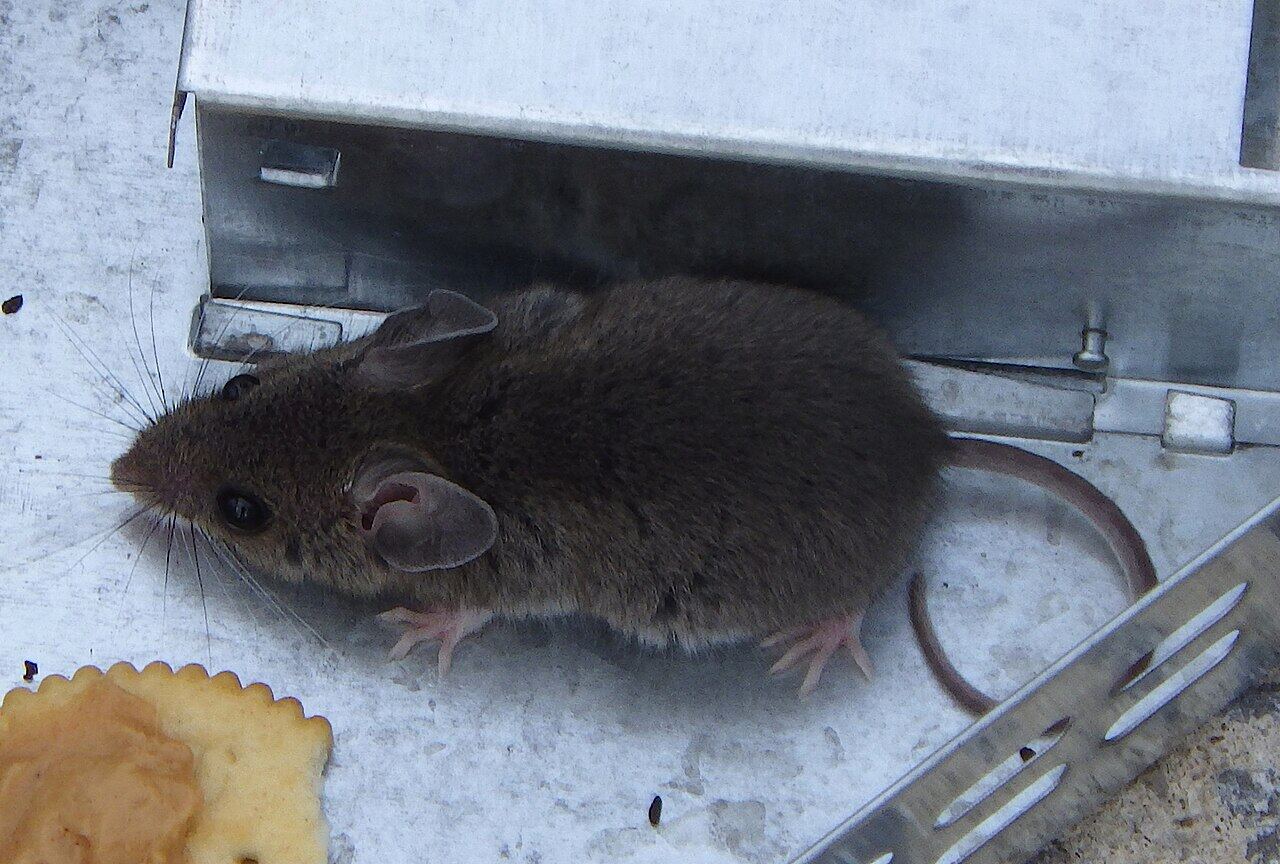
Two native mice live in the woods around Asheville. The Mammals of North Carolina guide says the white-footed deermouse is found across nearly the whole state and counts it as the state's most plentiful mammal by number of individuals. It notes that it occurs in some buildings in wooded areas and that at high elevations it is generally replaced by the North American deermouse, the species most people call the deer mouse.
Both look different from the house mouse. They have a brown or reddish-brown back, a clean white belly and white feet, with larger eyes and ears. They live in woods, field edges and rock walls, and they move into cabins, sheds, barns, garages, campers and the parts of houses closest to the trees.
The reason to treat them seriously is hantavirus. The CDC says the most common hantavirus that causes hantavirus pulmonary syndrome in the United States is spread by the deer mouse, through contact with urine, droppings and saliva, and that the virus can get into the air when fresh droppings or nesting are stirred up.
What a thorough job includes
- An inspection of the cabin or outbuilding and the main house if it is nearby, with the species confirmed.
- Snap traps set along walls, in cabinets, under beds and in storage areas.
- Sealing of gaps around doors, windows, log or board seams, plumbing and electrical entries, and vents. Mice get through gaps of a quarter inch, according to NC State Extension.
- Advice on storage: bedding, cushions and camping gear in sealed bins, and no food left out between visits.
- Cleanup that follows CDC guidance, with protective gear and disinfectant. No sweeping or vacuuming of dry droppings.
- Return checks, especially before a cabin is opened for the season.
Mice in a cabin or outbuilding?
Your call goes to an independent rodent control provider serving Asheville and Buncombe County. Describe what you are seeing and ask for the plan and the price in writing before any work starts.
(828) 503-0038Tap to call · Free to callStep by step
1. Before anyone goes in, the building is aired out. The CDC recommends opening doors and windows for 30 minutes before cleaning a space with rodent droppings, and leaving during that time.
2. The technician inspects, identifies the mice and maps nests and entry points.
3. Traps go down, and gaps that are not active runways are sealed right away.
4. On return visits, catches come out, traps are reset and the remaining gaps are closed.
5. Nests and droppings are soaked with disinfectant, bagged and removed. Soft items that were nested in may need to be discarded.
6. A final check confirms no fresh droppings.
Why deer mice are a mountain problem
Asheville is surrounded by woods. Black Mountain, Swannanoa, Fairview, Candler, Weaverville and the hills around Haw Creek all have homes that back up to forest, and many properties have sheds, workshops, barns or a cabin used only part of the year. A closed-up building is exactly what these mice look for.
Part-time use makes it worse. A cabin closed for a month or a season gives mice time to nest in mattresses and drawers with no one around to notice. The first person to open it, sweep the floor and shake out the bedding is the one most at risk of breathing in dust from droppings.
After Hurricane Helene, damaged outbuildings, debris piles and stored belongings in garages and sheds gave mice more places to nest. If you are clearing out a building that sat for months, treat it the way the CDC recommends for any rodent-infested space. Our article on deer mice in cabins and outbuildings walks through it.
What to ask before you book
Ask whether cleanup follows CDC guidance, with wetting and disinfecting before anything is removed, and what protective gear the crew uses. Ask whether outbuildings are priced separately from the main house, and whether the provider can visit a cabin when you are not there.
Deer mouse control questions
How do I tell a deer mouse from a house mouse?
Deer mice and white-footed mice have a brown back, a sharply white belly and white feet, with large eyes and ears. House mice are a more even gray-brown all over with a lighter belly. A technician can confirm.
Do house mice carry hantavirus?
The CDC names the deer mouse as the carrier of the most common hantavirus that causes HPS in the United States. Treat droppings from any wild mouse with the same care during cleanup.
What are the symptoms of hantavirus?
The CDC lists early symptoms of fatigue, fever and muscle aches one to eight weeks after rodent contact, followed by coughing and shortness of breath. Anyone with those symptoms after rodent exposure should see a doctor and mention the contact.
Can I just set traps in the shed?
Traps help, but mice will keep coming unless the building is sealed. Gaps at doors, floor seams and utility lines are usually the problem.
Should I vacuum the droppings?
No. The CDC says not to sweep or vacuum rodent droppings, urine or nesting. Soak them with disinfectant first and wipe them up with paper towels.
Can a technician service a cabin I am not at?
Many providers can work with a lockbox or a door code for outbuildings and cabins. Ask on the call how they handle access and how they report back.
Ready to have someone look at it?
A local rodent technician can often schedule a visit within a day or two, and same-day appointments are often available. Ask for the plan and the price in writing.
(828) 503-0038Tap to call · Free to call